
Pruning
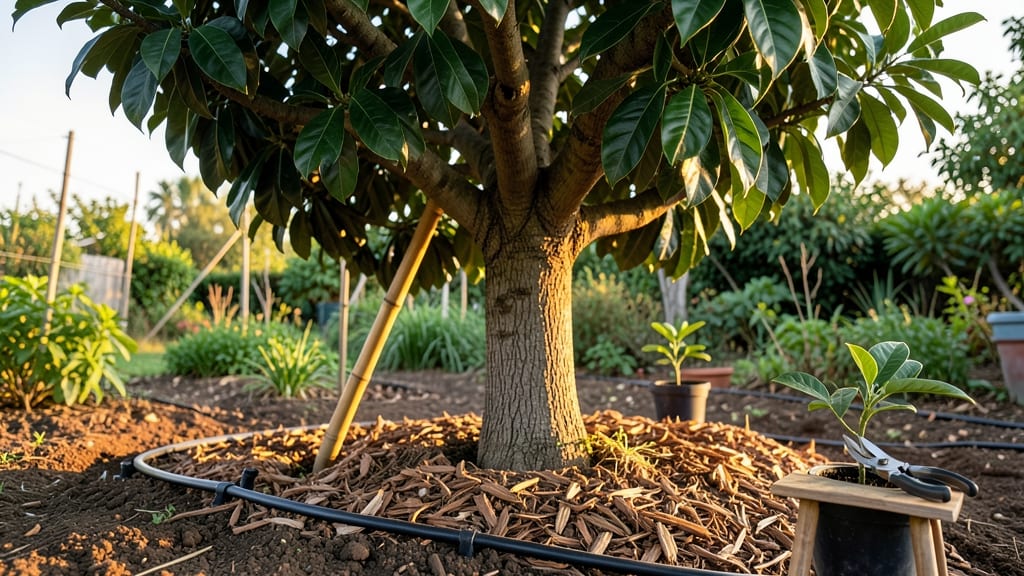
Growing an avocado tree cultivation that bears fruit year-round starts with the right pruning approach—one I perfected after years of trial and error with my own tree. 🌱 The key isn't just cutting branches; it's shaping the tree to maximize sunlight, airflow, and energy for fruit production, even in less-than-ideal climates.
My tree now produces fruit in every season, and I'm sharing exactly how to replicate that success.
You'll need well-draining soil, full sun exposure (at least 6-8 hours daily), and a consistent watering schedule that mimics the tree's natural tropical environment. Most people overwater, which leads to root rot—the single biggest killer of young avocado trees.
The right pruning technique also prevents overcrowding, which is where most gardeners go wrong and end up with a tree full of leaves but no fruit.
By the end of this process, you'll have a tree that looks healthy, produces flowers consistently, and actually bears fruit—not just one or two—but a steady harvest. The secret lies in strategic cuts that encourage new growth while maintaining the tree's natural shape.
This method works for both seed-grown trees and nursery transplants, so whether you're starting from scratch or reviving an existing tree, we've got you covered.
Whether you're growing in a container or in-ground, this approach adapts to different spaces. The most important part? Patience—avocado trees take 3-5 years to bear fruit, but once they do, they reward you with year-round productivity if you follow these steps. Let's get your tree on the right track!
📚 In This Guide
- What you need
- Instructions
- Tips and common mistakes
- Wrapping up and next steps
What you need
- ● Avocado seed or sapling: A fresh, organic avocado seed (from a Hass or Fuerte variety) or a 1-2 year old nursery-grown sapling.
- ● Well-draining potting mix: 5-10 gallons (for containers) or enriched garden soil (for in-ground planting). Mix in compost or peat moss for nutrients.
- ○ Container (optional but recommended for beginners): 5-gallon pot (for seedlings) or 15+ gallon pot (for mature trees).
- ● Drainage holes are a must to prevent root rot!
- ● Pruning tools: Sharp bypass pruners (for small branches).
- ● Hand saw or pruning saw (for thicker branches).
- ● Disinfectant (rubbing alcohol or bleach solution) to sterilize tools between cuts.
- ● Support stakes or trellis: 4-6 ft tall (for young trees to prevent toppling).
- ● Mulch: Organic mulch (straw, wood chips) to retain moisture and regulate soil temperature.
- ● Fertilizer: Balanced 10-10-10 fertilizer (for seedlings).
- ● Citrus/avocado-specific fertilizer (once established).
- ● Watering can or hose with gentle spray nozzle: Avocados hate soggy roots—aim for deep but infrequent watering.
- ● Growth hormone gel (to speed up seed germination).
- ● Soil moisture meter (to monitor watering needs).
- ● Shade cloth (for young trees in hot climates).
- ● Pollination aid (soft paintbrush) if growing indoors without natural pollinators.
- ● Tree collar spray (to protect against pests like mites or scale).
Step-by-step instructions for avocado tree cultivation
Here’s how to grow a thriving avocado tree that bears fruit reliably year-round—no green thumb required.
🌱 Step 1: Start With the Right Seed and Germination Setup
Select a seed from a ripe Hass avocado—the most reliable variety for home cultivation. Remove the pit, wash off any remaining fruit, and insert three toothpicks around the middle to suspend it over a glass of water, leaving the bottom third submerged. Change the water every 3-4 days to prevent bacterial growth.
Place the container in a warm spot with indirect light—direct sun will scorch the seed. Within 2-8 weeks, you’ll see roots emerge first, followed by a sprout. Once the stem reaches 6 inches, it’s ready to plant in soil. Here’s the thing—patience matters; some seeds take twice as long to sprout.
🪴 Step 2: Transplant into Well-Draining Soil and Light
Use a 6-inch diameter pot filled with a mix of 60% potting soil, 20% perlite, and 20% compost. Avocados hate soggy roots, so ensure the pot has drainage holes. Plant the seedling at the same depth it was growing in water, pressing the soil gently to eliminate air pockets.
Position the pot in a location with bright, indirect light—think east or west-facing window. Avoid south-facing windows unless filtered; too much direct sun will bleach the leaves. You’ll know the light is right when the leaves stay deep green without yellowing. Water when the top 1-2 inches of soil feel dry, but never let it sit in water.
✂️ Step 3: Prune Strategically for Fruit Production
Once your tree reaches 3-4 feet tall, prune to encourage branching. Cut back the top 1/3 of the stem just above a leaf node—this forces the tree to grow side shoots. Remove any suckers (shoots growing from the base) immediately, as they drain energy from fruit production.
After flowering, thin clusters to 1-2 fruits per branch to prevent overburdening. Heavy fruit loads can snap branches, especially in young trees. Prune again in late winter to remove dead or crossing branches, always cutting at a 45-degree angle just above an outward-facing bud. This ensures the tree’s energy goes into fruit, not repair.
☀️ Step 4: Maintain Year-Round Care for Continuous Bearing
Avocados thrive in 70-85°F temperatures and need 6+ hours of sunlight daily. In winter, supplement with a grow light if natural light drops below 4 hours. Watch for leaf drop—a sign of stress from temperature swings or inconsistent watering. Keep the soil evenly moist but never soggy.
Fertilize every 2 months with a balanced 10-10-10 fertilizer during growing season (spring to fall). Reduce to monthly in winter. You’ll see new growth within weeks—this is your cue that the tree is healthy. Real talk: Over-fertilizing burns roots, so always water before applying fertilizer.
🍈 Step 5: Harvest and Encourage Future Fruit Sets
Avocados ripen on the tree, so wait until they’re dark purple-black and slightly soft to the touch before picking. Twist gently to avoid damaging the stem. Once harvested, place them in a paper bag with a banana to speed up ripening—ethylene gas from the banana triggers the process.
After harvest, prune again to remove any dead or weak branches. This opens the canopy to sunlight, encouraging next year’s flowers. Avocados alternate bearing—some years produce heavily, others lightly. To break this cycle, thin fruit aggressively in heavy years and fertilize lightly in off-years. Patience pays off; a well-cared-for tree can bear fruit for decades.
Tips & tricks for perfect avocado tree cultivation
Growing a productive avocado tree takes more than just patience—it's about understanding the subtle cues your plant gives you. Here's what I've learned from watching my own trees thrive.
Germination Patience: The 2-8 week germination window can feel like an eternity, but resist the urge to rush it. I've seen seeds take up to 12 weeks in cooler conditions—what matters is consistency. Keep the water fresh every 3-4 days and maintain that warm, indirect light. If your seedling's stem reaches 6 inches but feels weak, let it grow another inch before transplanting; stronger stems handle the move better.
Soil Science: That 60-20-20 soil mix isn't just arbitrary—it's about balance. The perlite prevents compaction while the compost provides essential microbes. Here's what nobody tells you: After transplanting, give your seedling a gentle shake to settle the soil around roots. This eliminates air pockets that can strangle new growth. And always use a pot with drainage holes—avocados despise soggy roots more than anything.
Pruning Precision: When your tree hits 3-4 feet, that first pruning cut should be 1/3 of the stem—no more, no less. I learned this the hard way by cutting too much and stunting growth. After flowering, thinning to 1-2 fruits per branch prevents overburdening, but here's the key: Make these cuts in the morning when branches are stiff. They'll heal faster and be less susceptible to disease. That 45-degree angle isn't just aesthetic—it directs water runoff away from the cut.
Light Management: Avocados need that 6+ hours of sunlight daily, but intensity matters just as much as duration. In winter, when natural light drops below 4 hours, supplement with a grow light placed 6-12 inches above the tree. I use a full-spectrum LED—it's more efficient than incandescent bulbs and won't overheat your leaves. And if you notice yellowing between veins, that's classic light stress; move your tree to a brighter spot immediately.
Pro Tips for Avocado Tree Cultivation
- Growing a productive avocado tree takes more than just patience—it's about understanding the subtle cues your plant gives you.
- Germination Patience: The 2-8 week germination window can feel like an eternity, but resist the urge to rush it.
- Soil Science: That 60-20-20 soil mix isn't just arbitrary—it's about balance.
Frequently asked questions
Got questions about growing your own avocado tree? You’re not alone!
Here are answers to the most common queries to help you cultivate a thriving, fruit-bearing tree with confidence.
How long does it take for an avocado tree to bear fruit?
Patience is key! Most avocado trees grown from seed take 5–13 years to bear fruit, depending on the variety and growing conditions. Grafted trees (like Hass or Fuerte) can fruit in as little as 3–5 years. Choose a grafted tree if you’re eager for avocados sooner!
Can avocado trees survive winter frost?
Avocado trees are tropical/subtropical and struggle with frost. Young trees need protection (like blankets or frost cloth) when temps drop below 32°F (0°C). Mature trees can tolerate brief dips to 28°F (-2°C), but prolonged cold may damage leaves or fruit. Plant in sheltered microclimates if you live in colder zones!
What’s the best way to prune an avocado tree for fruit production?
Prune to encourage sunlight and airflow—focus on removing:
- Dead/diseased branches (cut at the base).
- Overcrowded growth (thin out to 6–8 inches between branches).
- Suckers (shoot growth from the trunk or roots).
Are there avocado tree alternatives if I live in a cold climate?
If your zone is too chilly for avocados, try these hardy fruit trees:
- Citrus varieties (like Meyer lemon—tolerates brief cold snaps).
- Fig trees (some cold-hardy types survive to 10°F (-12°C)).
- Pomegranate (thrives in zones 7–11).
- Olive trees (drought-tolerant and cold-resistant).
Why are my avocado tree leaves turning yellow or dropping?
Yellow leaves often signal overwatering, underwatering, or nutrient deficiencies. Check these fixes:
- Watering: Avocados need consistent moisture but hate soggy roots. Water deeply 1–2x/week (adjust for climate).
- Nutrients: Yellowing between veins? Add iron or zinc (common in alkaline soils).
- Pests: Spider mites or scale insects cause leaf drop. Spray with neem oil or insecticidal soap.
- Transplant shock: Newly planted trees may drop leaves—keep them well-watered for 4–6 weeks.
Wrapping up and next steps
Cultivating a thriving avocado tree is a rewarding journey that combines patience, knowledge, and a little green thumb magic! 🌱 By mastering the art of strategic pruning, you’ll unlock year-round fruit production while keeping your tree healthy and lush.
Whether you’re a seasoned gardener or just starting out, every snip and trim brings you closer to a bountiful harvest.
Ready to take the next step? Start small—pick one pruning technique to practice this season, then gradually refine your skills. Before you know it, you’ll be enjoying homegrown avocados straight from your backyard! 🥑✨