
Plants
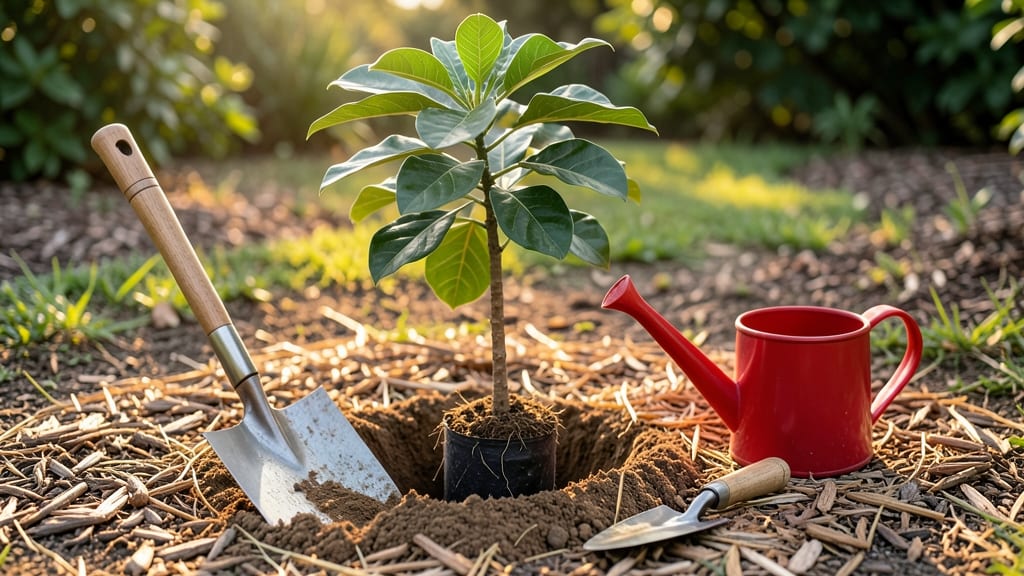
To plant an avocado tree in the ground, wait until soil temperatures hit at least 65°F and all frost risk has passed—usually April to May in most climates.
Planting an avocado tree at the wrong time can mean the difference between a thriving fruit-bearing tree and a sad, frost-damaged sapling—so timing your transplant perfectly is critical for success.
These tropical trees need warmth to root and thrive, which is why soil temperature is just as important as the calendar date.
In Zone 6a, where cold winters are the norm, you’ll need to plan around your last frost date and protect young trees if nights still dip below freezing.
Below, I’ll walk you through the exact steps to check your soil, pick the best spot, and give your 🥑 avocado tree the best possible start—whether you’re in a mild subtropical zone or a cooler region where frost is still a threat.
Optimal planting window for avocado trees by USDA hardiness zones
Avocado trees (Persea americana) thrive in warm climates, making timing your transplant one of the most critical factors for success. These tropical trees cannot tolerate frost, so planting too early risks root damage or death.
The ideal window depends on your USDA hardiness zone and soil temperature, with 65°F+ being the minimum for root establishment.
In USDA zones 8-11, where frost is rare or nonexistent, the best time to plant avocado trees is late winter to early spring—typically February through May. However, soil temperature is more important than calendar dates.
Young roots need consistent warmth to grow, so wait until soil reaches 65°F before transplanting, even if frost isn't a concern.
Regional variations matter too. In California (zones 9-11), planting in March or April aligns with natural rainfall and warming soils.
Meanwhile, Florida (zones 9-11) offers a longer window—January through May—since frost is uncommon. Texas (zones 8-10) gardeners should aim for March to early June, avoiding summer heatwaves that stress young trees.
To pinpoint your exact planting window, check your local last frost date using resources like the National Oceanic and Atmospheric Administration (NOAA) or Almanac's Frost/Freeze Calculator. These tools provide hyper-localized data for planting decisions, ensuring your avocado tree gets the best possible start.
| USDA Zone | Frost-Free Window | Soil Temp Requirement | Best Planting Months | Regional Notes |
|---|---|---|---|---|
| Zone 8 | After last frost (typically late March) | 65°F+ (18°C+) | April - May | Southern California, southern Texas |
| Zone 9 | Year-round (frost rare) | 65°F+ (18°C+) | February - May | Central California, Florida, southern Arizona |
| Zone 10 | Year-round (no frost) | 65°F+ (18°C+) | January - April | Southern Florida, Hawaii, coastal Texas |
| Zone 11 | Year-round (tropical) | 65°F+ (18°C+) | Any month (avoid rainy season) | Southern Florida Keys, Puerto Rico, Hawaii |
For container-grown avocado trees, you have more flexibility since you can control soil temperature with greenhouse conditions. However, transplanting to the ground should still align with soil warmth and frost-free periods.
If you're in a cooler zone (7 or below), consider container growing long-term or using microclimate strategies to extend the growing season.
In California's coastal regions, where summers are dry, planting in late winter (February) gives roots time to establish before hot, dry conditions arrive. Meanwhile, Florida's humid subtropical climate allows for earlier planting (January), but avoid hurricane season (June-November) when heavy rains can disrupt root growth.
Texas gardeners should plant in early spring (March) to avoid summer heat stress.
One common mistake is planting too early based on calendar dates rather than soil temperature. Use a soil thermometer to confirm 65°F+ at a 4-inch depth before transplanting. If your soil is too cold, roots may stagnate or rot, leading to poor establishment.
Patience here pays off—waiting for ideal conditions ensures a stronger, healthier tree.
If you're in a transition zone (like southern California or Texas Hill Country), where frost can still occur, plant in early spring and use frost cloth for the first few weeks to protect young trees
Signs your soil and climate are ready for avocado transplanting
Avocado trees thrive when planted in warm soil and frost-free conditions. The key is waiting until both your local climate and soil temperature align with the tree's needs. Cold soil can stunt root growth, while premature planting risks frost damage to tender new leaves.
Start by checking your last frost date—avocados need at least 60 days without frost after transplanting. Urban areas often warm up faster than rural zones due to the heat island effect, so monitor microclimates near walls or pavement.
Use a soil thermometer to confirm temperatures exceed 65°F (18°C) at a 6-inch depth. Test in the morning for accuracy, as afternoon sun can skew readings. If your soil is still cool, delay planting or use black plastic mulch to warm it faster.
Next, assess moisture levels. Avocado roots need well-draining soil but consistent moisture. Stick your finger 2 inches deep—if it feels dry, water deeply 24 hours before transplanting. Overly wet soil can suffocate roots, so avoid planting after heavy rains.
✅ When to Plant Avocado Tree in Ground: Key Indicators
- 🌡️ Soil temp: 65°F+ (18°C+) at 6" depth
- ❄️ Frost risk: 60+ days frost-free ahead
- ☀️ Sunlight: 6+ hours daily (full sun)
- 💧 Moisture: Well-draining, slightly damp soil
- 📍 Location: Sheltered from wind (urban: near buildings)
🌱 Pro Tip: Urban areas plant 2-3 weeks earlier than rural zones due to microclimates.
Urban gardeners can often plant 2-3 weeks earlier than rural areas because concrete and buildings trap heat. Test your spot by observing nearby plants—if citrus or bougainvillea are thriving, your avocado is likely ready too.
Finally, check for wind exposure. Avocados dislike strong winds, which can dry out leaves. In open rural areas, plant near a windbreak like a fence or hedge. Urban spots benefit from buildings or walls that block gusts.
Once you’ve confirmed all signs, transplant on a cloudy day to reduce stress. Water deeply after planting and mulch with 3 inches of organic matter to retain moisture and regulate soil temperature.