
Pruning
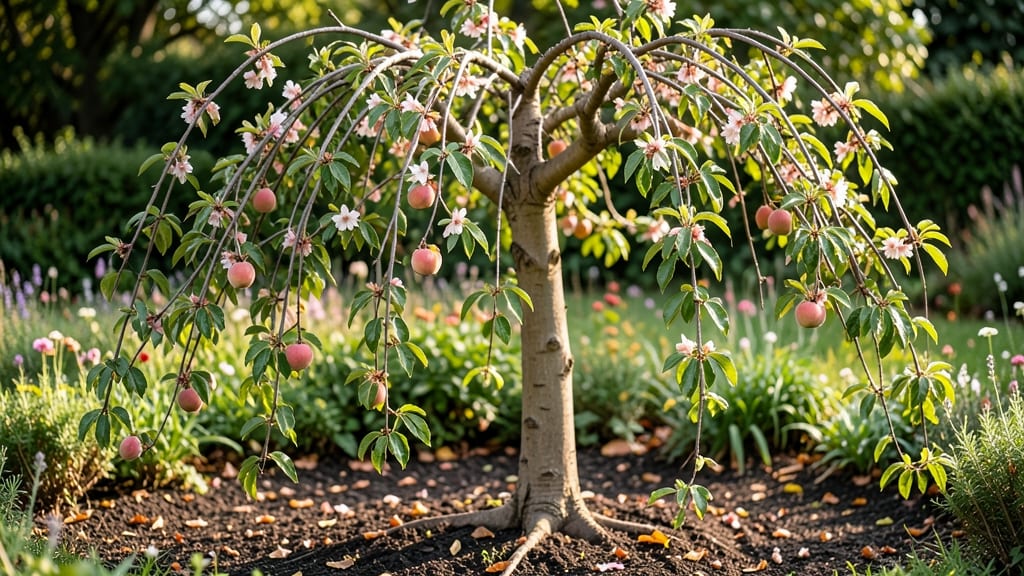
Weeping peach trees thrive in USDA zones 5 through 9, but their delicate branches need winter protection in colder climates. 🌳 I learned this the hard way when my first tree nearly lost its shape after a late frost—until I mastered the right pruning cuts for each season.
The key is balancing airflow and structure while preserving that graceful weeping habit. These trees crave full sun (6+ hours daily) and well-draining soil that mimics their native hillsides. In zones 5-6, plant against a south-facing wall for extra warmth, and mulch heavily in fall to shield roots.
The reward? Year-round elegance with spring blooms, summer fruit, and fiery autumn foliage—if you prune correctly. Your pruning strategy changes with the seasons: light shaping in spring, heavy cleanup after harvest, and protective cuts before winter.
I’ll show you exactly where to make those cuts to maintain that cascading silhouette without sacrificing fruit production. The first year is critical—get it right, and your tree will repay you for decades.
For those in zone 7 and warmer, focus on pest prevention (especially peach leaf curl) and summer watering. In colder zones, winter wrapping becomes your best friend. Let’s get those branches looking effortlessly elegant all year.
📚 In This Guide
- What you need
- Instructions
- Tips and common mistakes
- Wrapping up and next steps
What you need
- ● Pruning shears: Bypass pruners (sharp, 6–8" blades) – 1 pair (for small branches)
- ● Loppers: Bypass or anvil type (long-handled, 18–24") – 1 pair (for thicker branches up to 2")
- ● Pruning saw: Curved-tooth or folding saw – 1 (for branches 2" and larger)
- ● Disinfectant: 70% isopropyl alcohol or bleach solution (for sterilizing tools) – small bottle
- ● Gloves: Heavy-duty gardening gloves (cut-resistant) – 1 pair
- ○ Pruning sealant: Optional (tree wound paint or beeswax) – small jar
- ○ Extension pole: Optional (for high branches, 6–10 ft) – 1
- ● Weather: Choose a dry, mild day (avoid frost or extreme heat)
- ● Time of year: Best for dormant pruning (late winter/early spring) or light shaping (summer)
- ● Tree health check: Inspect for pests/disease before cutting
- ● Cleanup supplies: Bucket, trash bags, and rags (for debris and tool wiping)
Step-by-step pruning guide for weeping peach trees
Transform your weeping peach into a living work of art with these precise cuts.
✂️ Step 1: Time Your Pruning for Optimal Growth
Prune your weeping peach tree in late winter or early spring, just as buds begin to swell but before new growth starts. This timing ensures you remove dead wood while stimulating fresh, vigorous shoots. Avoid pruning in fall—it leaves wounds vulnerable to disease and frost damage.
For container-grown trees, you can do light shaping pruning in summer after flowering, but never remove more than 25% of the canopy at once. The tree’s energy is focused on fruit production then, and heavy cuts can stress it.
🌱 Step 2: Remove Dead, Diseased, and Crossing Branches First
Start by cutting out any dead, broken, or diseased branches—these are easy to spot as they’re brown, brittle, or lack leaves. Make clean cuts just outside the branch collar (the swollen area where the branch meets the trunk) using sharp, bypass pruners for branches under ½ inch thick.
Next, remove branches that cross or rub against each other. These create wounds that invite pests and diseases. Look for branches growing inward or upward—these compete with your tree’s graceful weeping form. Cut them back to a healthy outward-facing bud or branch.
☀️ Step 3: Thin the Canopy for Light and Airflow
Weeping peach trees thrive when their branches receive even sunlight and good airflow. Step back and visualize the tree’s shape—aim for an open, layered look where light filters through. Remove 10-20% of the smallest, interior branches that block sunlight from reaching the center.
Focus on branches growing too densely. You’ll see clusters where leaves touch or where sunlight barely reaches the lower layers. Cut these back to a strong lateral branch or bud, making sure your cuts angle slightly away from the branch collar.
⏰ Step 4: Shape the Weeping Form with Strategic Cuts
To maintain the tree’s elegant weeping shape, prioritize branches that grow downward or outward. If a branch grows upward, cut it back to a lower bud that faces outward. This encourages the tree to grow in the direction you want—long, graceful arcs rather than rigid upright growth.
For branches that are too long, shorten them by ⅓ to ⅕ of their length, cutting just above an outward-facing bud. Avoid cutting back to a stub—this leaves a wound that heals poorly. If you’re unsure which bud to aim for, look for the one that points in the direction you want the branch to grow.
🌿 Step 5: Clean Up and Protect the Tree
After pruning, sterilize your tools with rubbing alcohol to prevent spreading disease. Remove all clippings from the area—leaving them can harbor pests and fungi. If your tree is in a container, dispose of prunings in a sealed bag or compost pile away from the tree.
Apply a wound sealant (like pruning paste) only if you’ve made large cuts over ½ inch thick. For smaller cuts, let the tree heal naturally—sealants can trap moisture and cause rot. Water the tree deeply after pruning to help it recover and encourage new growth.
Tips & tricks for perfect weeping peach tree pruning
Here's what nobody tells you about keeping your weeping peach tree looking like a masterpiece year after year.
Timing is Everything: That late winter/early spring window is non-negotiable for serious pruning. I learned this the hard way after pruning in fall—my tree took months to recover and developed fungal spots. Look for those swollen buds as your cue. For container trees, summer shaping is your only chance, but keep it to light trims after flowering.
The Branch Collar Rule: Never, ever cut flush with the trunk. That swollen area called the branch collar is your tree's natural healing shield. I've seen so many pruning mistakes where people cut too close, leaving ugly scars. Make your cuts just outside this collar—it's the difference between a clean wound and one that festers.
Visualize First, Cut Second: Step back and imagine your tree as a living sculpture. The goal is that open, airy look where sunlight dances through the branches. I always sketch a rough outline on paper first. Focus on removing those dense clusters where leaves touch—this prevents fungal issues and encourages stronger growth in the right directions.
Tool Maintenance Matters: Your pruners should be sharper than your intentions. Dull tools crush branches instead of making clean cuts, which invites disease. After each use, wipe them down and store in a dry place. I keep a small bottle of rubbing alcohol nearby to sterilize between cuts—it's the best way to prevent cross-contamination between branches.
Pro Tips for Weeping Peach Tree Zone
- Here's what nobody tells you about keeping your weeping peach tree looking like a masterpiece year after year.
- Timing is Everything: That late winter/early spring window is non-negotiable for serious pruning.
- The Branch Collar Rule: Never, ever cut flush with the trunk.
Frequently asked questions
Got questions about mastering the Weeping Peach Tree Zone? You’re not alone—pruning these elegant trees can feel tricky at first! Below, we’ve rounded up the most common queries to help you navigate the process with confidence.
What’s the best time of year to prune a weeping peach tree?
The ideal window is late winter to early spring (just before buds swell) or summer after harvest. Avoid pruning in fall—it stresses the tree and invites pests. For Weeping Peach Zone shapes, focus on shaping cuts in late winter to maintain grace year-round.
How do I prevent over-pruning and harming my tree?
Never remove more than 25% of the canopy in one session. For weeping varieties, prioritize thinning cuts (removing entire branches at the base) over heading cuts (trimming back to a bud). Watch for water sprouts—these fast-growing shoots steal energy from your tree’s elegant structure.
Can I still get fruit if I prune for a weeping shape?
Weeping peach trees can produce fruit, but yields may be smaller. Focus pruning on open-center shapes to improve airflow and light penetration—key for fruit development. Thin fruit clusters in summer to avoid overburdening branches.
What should I do if my weeping peach tree looks leggy after pruning?
Leggy growth often means too much shade or overly aggressive cuts. Next season, prune to encourage lower branches by cutting just above outward-facing buds. Use a growth regulator (like paclobutrazol) if needed, but avoid heavy fertilizers—they worsen legginess.
Are there alternatives to traditional pruning for a weeping look?
Yes! Try espalier training (growing branches flat against a wall) or slender standards (single-trunk with minimal branching). For quick results, use flexible ties to shape branches manually during the growing season. Just remember—weeping peaches thrive on structured pruning!
Wrapping up and next steps
The Weeping Peach Tree Zone isn’t just about aesthetics—it’s a celebration of patience, skill, and the joy of nurturing nature’s beauty. By mastering the art of pruning, you’ve unlocked the secret to a tree that graces your space with elegance year-round.
Whether you’re a seasoned gardener or just starting, every careful cut brings you closer to that dream of cascading blossoms and lush foliage.
Ready to transform your space? Grab your tools, schedule your next pruning session, and watch your weeping peach tree thrive! 🌿 Share your progress with fellow gardeners—inspiration spreads like wildfire! 🌸