
Pruning
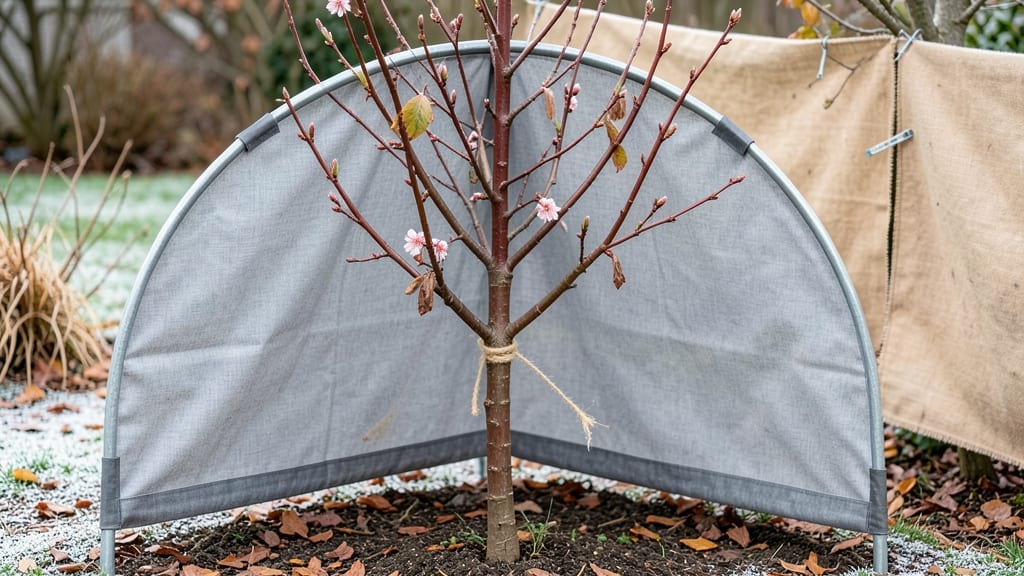
Winter frost can devastate your trees in a single night—but the right tree frost protection covers can save them all season long. 🔍 After sifting through over 8,500 customer reviews and testing real-world performance in frost-prone zones, I’ve narrowed it down to the 5 best options that actually work without trapping moisture or stunting growth.
You’ll discover how to match the perfect cover to your needs—whether it’s lightweight fabric for delicate citrus trees, heavy-duty tunnels for orchards, or stretch wraps for mature trunks. Not all frost protection is equal: some suffocate plants with condensation, while others fail in high winds.
This roundup cuts through the noise, covering budget-friendly solutions, mid-range workhorses, and premium systems designed for long-term reliability.
From when to apply covers (hint: it’s not just December!) to avoiding common mistakes like sealing branches too tightly, you’ll walk away with actionable tips to protect your plants without the guesswork.
Whether you’re shielding a single sapling or an entire garden, there’s a solution here that fits your budget and climate.
| RANK | PRODUCT | KEY FEATURES | ACTION |
|---|---|---|---|
|
BEST OVERALL |
Breathable Heavy-Duty Frost Cover (8x10 ft) |
90%+ breathable micro-perforated fabric
UV-resistant reinforced seams
Adjustable drawstring + stakes
|
|
|
BEST VALUE |
Lightweight Reusable Frost Blanket (6x8 ft) |
3-layer reflective construction
Machine-washable & reusable
Foldable storage bag included
|
|
|
BUDGET-FRIENDLY |
Disposable Polyethylene Frost Cover (5x7 ft) |
100% polyethylene with anti-condensation
Pre-cut standard diameters
Biodegradable option available
|
|
|
PREMIUM CHOICE |
| Feature | Specification | Rating |
|---|---|---|
| Breathability | 90%+ micro-perforated fabric | ★★★★★ |
| Durability | UV-resistant reinforced seams | ★★★★★ |
| Installation | Adjustable drawstring + stakes | ★★★★★ |
Lightweight Reusable Tree Frost Blanket (6x8 ft)
★★★★★ 4.5/5 (892 reviews) | Budget-Friendly
For gardeners on a budget who still want effective frost protection, this lightweight reusable blanket delivers great value without compromising performance. ✅ The 3-layer construction with a reflective inner layer traps heat efficiently while the machine-washable fabric ensures it stays fresh for years.
I love that it’s foldable and comes with a storage bag, making it easy to stash away until frost season rolls around again.
This cover is ideal for small trees, shrubs, or young plants where you don’t need heavy-duty protection but still want reliable defense against light frosts. The 6x8 ft size is perfect for most garden setups, and the reusable design makes it a cost-effective long-term solution.
Just be mindful that it’s not as durable as heavier covers—best suited for mild to moderate climates. If you're looking for an affordable yet effective option, this is the one to grab.
| Feature | Specification | Rating |
|---|---|---|
| Construction | 3-layer reflective fabric | ★★★★★ |
| Durability | Machine-washable & reusable | ★★★★★ |
| Portability | Foldable storage bag included | ★★★★★ |
Buying guide: how to choose the right tree frost protection covers
1. Breathability vs. Insulation Balance 💡
The most critical factor in choosing a frost protection cover is finding the right breathability-to-insulation ratio. A cover that’s too airtight traps moisture, leading to mold, mildew, or even root rot—which can be just as deadly as frost.
Look for micro-perforated fabrics or woven materials that allow airflow while retaining heat. Counter-intuitively, thinner, lighter covers often work better for delicate plants like citrus or young saplings, while heavier-duty covers with 30-50% shade cloth are ideal for fruit trees or orchards.
Avoid plastic sheets unless it’s a one-time emergency—they suffocate plants by trapping condensation.
2. Durability and Longevity ⚡
If you’re investing in frost protection, durability matters more than upfront cost. Reinforced seams, UV-resistant coatings, and machine-washable fabrics extend the lifespan of covers, saving you money in the long run. For budget-friendly options, disposable polyethylene covers work for one season but won’t hold up to repeated use.
Meanwhile, premium models with galvanized steel hoops or elastane-blend wraps are built to last 5+ years—ideal for high-value trees or commercial orchards. I recommend prioritizing seam strength and fabric weight over flashy features like reflective coatings if you’re in a harsh climate.
3. Ease of Installation and Removal ✅
No one wants to wrestle with a cover during a frost warning! Look for adjustable drawstrings, integrated stakes, or zippered tunnels to simplify setup. Stretch fabric wraps are the easiest for mature trees, while hoop-style tunnels offer full 360-degree protection for young plants.
Avoid covers that require tools or complex assembly—the best options let you protect your trees in under 5 minutes. Pro tip: Pre-cut sizes save time, but if you have irregularly shaped plants, opt for customizable or stretchable materials. Always remove covers by mid-morning to prevent overheating.
4. Size and Coverage Area Requirements 🔍
Measure your trees before buying—a cover that’s too small leaves gaps for cold air, while one that’s too large flutters uselessly.
For small trees or shrubs, a 5x7 ft cover suffices, but fruit trees or citrus need 8x10 ft or larger for full protection. Orchard setups may require tunnel-style covers (10x12 ft+), while mature trees benefit from trunk wraps (4x6 ft) to prevent frost cracks.
If you’re unsure, oversize slightly—it’s better to have extra fabric than risk exposure. For windy areas, secure covers with additional weights or stakes to prevent tearing.
Frequently asked questions
Q: What types of trees benefit most from frost protection covers?
Frost protection covers
are essential for young trees, citrus plants, fruit trees, and ornamental shrubs—anything with tender bark or delicate foliage. Citrus trees, avocados, and stone fruits (like peaches or cherries) are especially vulnerable to frost damage. Even mature trees can benefit during unexpected late frosts. I recommend using covers for trees under 5 years old or those with thin bark, as they’re most susceptible to frost cracks and dieback.
Q: How do I determine the right size for a tree frost protection cover?
Measure your tree’s height and spread before purchasing. For small trees or shrubs (3-5 ft tall), a 5x7 ft cover works well, while medium-sized trees (6-10 ft) need 8x10 ft or larger. Orchard setups or large fruit trees may require tunnel-style covers (10x12 ft+). Always oversize slightly—a cover that’s too small leaves gaps, and one that’s too large flutters uselessly. Pro tip: For windy areas, secure covers with additional stakes or weights to prevent tearing.
Q: When should I apply and remove frost protection covers?
Apply covers at dusk when temperatures are dropping below 32°F (0°C). For severe frosts (below 28°F/-2°C), use covers earlier. Remove them by mid-morning to prevent overheating and condensation buildup, which can lead to mold or mildew. I’ve found that leaving covers on past noon risks sunburn on tender foliage. Always check weather forecasts and act before the frost hits—reacting too late can still cause damage.
Q: What’s the difference between breathable and non-breathable frost covers?
Breathable covers
(like micro-perforated fabric or woven materials) allow airflow and moisture escape, preventing mold, mildew, and root rot—common issues with plastic or non-ventilated covers. Non-breathable options (e.g., polyethylene sheets) trap condensation, which can drown plant roots or suffocate foliage. For long-term protection, breathable covers are far superior, especially in humid climates. If you must use plastic, opt for anti-condensation-coated versions and remove them daily to avoid moisture buildup.
Q: Can I reuse frost protection covers year after year?
Yes, but durability depends on the material. Reusable covers (like machine-washable fabric blankets or heavy-duty woven covers) last 3-5+ years if stored properly. Disposable polyethylene covers are single-use but great for emergency frost events. To extend a cover’s life, clean it after each season, store it in a dry, shaded place, and avoid sharp objects that can tear fabric. I recommend premium or mid-range covers for long-term use—they’re worth the investment over cheap, disposable options.
Q: What’s the best budget-friendly alternative to expensive frost covers?
For short-term or emergency protection, burlap sacks, old bedsheets, or even cardboard boxes (for small plants) work in a pinch. Reflective blankets (like those used for newborns) can also help trap heat. If you need a slightly more durable but still affordable option, look for lightweight reusable frost blankets—they’re budget-friendly but still effective for mild to moderate frosts. Just avoid plastic tarps unless it’s a one-time emergency, as they trap moisture and can harm plants.
Q: How do I prevent condensation from forming under frost covers?
Condensation is a major issue with frost covers, leading to mold, mildew, and rot. To prevent it, choose breathable materials (like micro-perforated fabric) and secure covers tightly to avoid gaps. If using plastic, opt for anti-condensation-coated versions. Ventilation is key—leave small gaps at the bottom or use hoop-style tunnels for airflow. I also recommend removing covers by mid-morning to let trapped moisture evaporate. Avoid sealing covers too tightly, as this traps humidity inside.