
Pruning
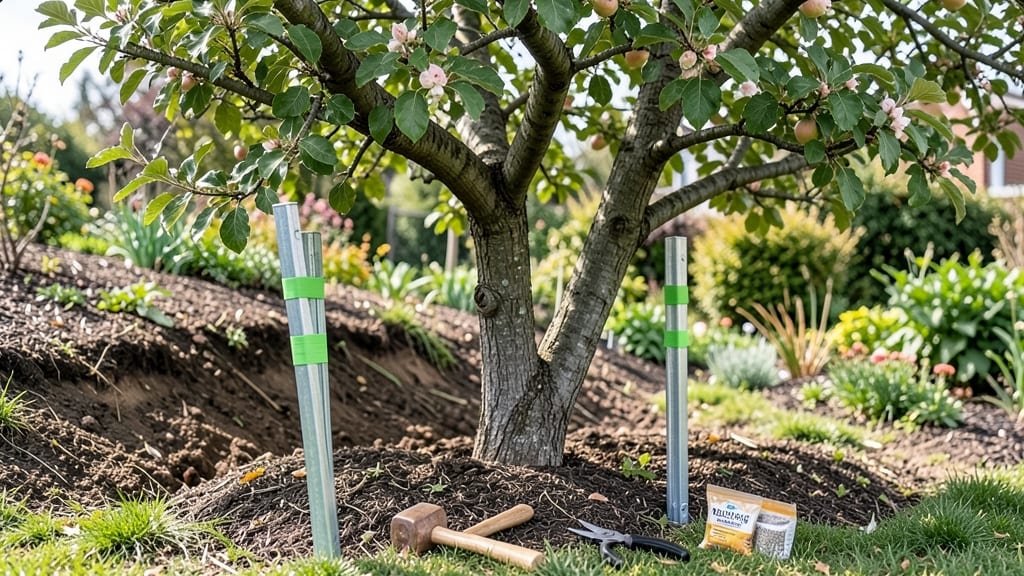
A leaning tree isn’t just an eyesore—it’s a structural risk waiting to happen. ✂️ I’ve fixed my share of wobbly trees, and the secret to stabilizing them lies in three targeted pruning cuts that redirect growth and restore balance without killing the tree.
The real culprit behind the lean? Often uneven root growth or years of wind pushing the trunk one way. Trees naturally compensate by growing thicker on the windward side, but that extra weight can make the lean worse over time.
The fix starts with pruning the heavier side to lighten the load while encouraging new growth on the weaker side.
By the end of these steps, you’ll have a tree that stands straight enough to pass a gentle tug test—and no, you won’t need to call in an arborist unless the trunk is already cracked or the lean exceeds a 30-degree angle.
The pruning itself takes about 45 minutes for a medium-sized tree, and the results last years.
This method works for young trees before they get too top-heavy, mature trees that’ve been pushed by storms, and even fruit trees where stability matters for harvests.
The key is patience: wait until late winter or early spring when the tree isn’t actively growing, and always use sharp tools to avoid tearing bark.
Root Causes of Tree Lean
If your tree is leaning like it’s trying to nap in the wind, don’t panic—it’s usually not a sign of impending doom. Instead, it’s a response to environmental and structural factors.
Understanding these causes helps you decide whether to intervene with a leaning tree fix or let nature take its course. Below, we break down the most common reasons trees tilt, backed by science and practical insights.
A tree’s root system is its foundation, and if it’s uneven, the tree will lean toward the side with stronger roots. This often happens due to:
- Soil compaction or erosion: Heavy machinery, construction, or natural erosion can compress soil on one side, restricting root growth. Roots naturally seek out loose, nutrient-rich soil, causing the tree to tilt toward the less-compacted side. Actionable fix: Aerate the compacted soil or add organic mulch to encourage balanced root expansion.
- Shallow or gnarled roots: Some tree species (like willows or poplars) develop shallow root systems, making them prone to leaning. Others, like oaks, may have roots that grow unevenly due to past disturbances. Actionable fix: If the lean is minor, pruning to reduce top-heavy weight can help rebalance the tree over time.
- Obstacles in the root zone: Rocks, buried debris, or even underground utilities can stunt root growth on one side. Trees will lean away from physical barriers to escape resistance. Actionable fix: Avoid planting near hard surfaces or digging near mature trees—always inspect the root zone before landscaping.
Trees are flexible, but persistent wind or storms can cause permanent lean. Here’s how it works:
- Young trees and flexible species: Trees like birches, aspens, or pines have thin trunks and bend easily in strong winds. If the wind consistently blows from one direction, the tree may grow at an angle to resist future stress. Actionable fix: Stake young trees temporarily to encourage straight growth, but remove stakes once the trunk is sturdy (usually after 2–3 years).
- Storm damage and sudden bending: A severe storm can snap branches or bend the trunk. If the tree survives, it may grow at the new angle, especially if the cambium (growth layer) is damaged. Actionable fix: If the lean is due to broken branches, prune to reduce weight and encourage upright regrowth.
- Salt spray or pollution: Coastal trees or those near roads often lean away from salt spray or industrial pollutants, which can weaken one side of the trunk. Actionable fix: Plant salt-tolerant species in coastal areas and avoid pruning during high-pollution seasons.
Trees have an innate ability to sense gravity (gravitropism), and they’ll adjust their growth to counteract imbalance. This is especially common in:
- Top-heavy canopies: If a tree’s branches are uneven (e.g., more foliage on one side), the trunk may lean toward the heavier side to compensate. Actionable fix: Prune to distribute weight evenly—remove excess branches on the heavier side and encourage growth on the lighter side with selective pruning.
- Uneven sunlight exposure: Trees lean toward light sources (a phenomenon called phototropism). If one side is shaded by a building or taller tree, the trunk may grow toward the sun. Actionable fix: If the lean is cosmetic, live with it—many trees thrive with slight tilts. For severe cases, strategic pruning can help redirect growth.
- Post-harvest or transplant shock: Recently transplanted trees may lean due to root trauma. The tree prioritizes regrowing roots over maintaining upright posture. Actionable fix: Use temporary staking for support and water deeply to encourage root recovery.
If your tree is growing on a slope or in uneven terrain, gravity and soil conditions play a huge role:
- Sloped planting: Trees planted on a hillside will naturally lean downslope due to gravity. The roots anchor more firmly on the uphill side, causing the trunk to tilt. Actionable fix: If the lean is extreme, consider terracing or planting on level ground in the future.
- Waterlogged or dry soil on one side: Soil moisture affects root strength. Roots on the drier side may struggle to support the tree, leading to lean. Actionable fix: Improve drainage on the dry side with mulch or irrigation, or redirect water away from the saturated side.
- Natural lean in species-specific growth habits: Some trees, like the Leaning Tower of Pisa’s cypress or certain willows, are genetically predisposed to grow at angles. Actionable fix: Embrace the natural beauty—these trees often have unique charm and resilience!
Most leaning trees are stable and healthy, but if the tilt is drastic (more than 15–20 degrees) or accompanied by cracked bark or dead branches, it’s time to assess whether a leaning tree fix is needed.
In the next section, we’ll cover how to diagnose stability and when to prune for correction.
Fixing Your Leaning Tree Safely
A leaning tree isn’t just an eyesore—it can pose serious risks to your property, especially during storms or strong winds. The good news? With the right approach, you can restore balance, strengthen its structure, and even prevent future tilting.
Below are practical, step-by-step solutions tailored to the most common causes of a leaning tree, plus prevention tips to keep it standing tall for years.
If your tree leans because of shallow roots, compacted soil, or erosion, the fix starts underground.
🔧 Step 1: Assess the Root Zone
- Check for signs of distress: Cracks in the trunk near the base, exposed roots, or soil pulling away from the trunk are red flags.
- Dig carefully: Use a shovel to gently expose the roots (avoid damaging them).
Healthy roots should be white or light brown and firm to the touch. Dark, mushy, or hollow roots need attention.
🌱 Step 2: Improve Soil Support
- Add organic matter: Mix compost or well-rotted manure into the top 12 inches of soil around the tree (but avoid piling it against the trunk).
This improves drainage and root growth. > 💡 Pro Tip: Use a soil aerator if the ground is compacted—this lets roots breathe and expand. - Create a root barrier (if needed): If erosion is the culprit, install a simple wooden or plastic barrier to hold back soil and prevent further slippage.
🪓 Step 3: Guide New Growth
- Prune lower branches: Remove 10–20% of the tree’s weight from the leaning side to shift the center of gravity.
Use clean cuts (just outside the branch collar) to avoid damaging the tree. - Install a tree brace (for severe cases): A steel or wooden support system anchored into the ground can help stabilize the trunk while roots strengthen. Avoid using cables or wires directly on the trunk—they can girdle it over time.
✨ Prevention:
- Water deeply but infrequently (1–2 inches per week) to encourage deep root growth.
- Mulch properly: Spread 2–4 inches of mulch in a 3-foot-wide ring around the tree, but keep it 6 inches away from the trunk to prevent rot.
If the lean is due to wind exposure, weak wood, or past storm damage, focus on strengthening the trunk and branches.
🔥 Step 1: Identify Weak Points
- Look for:
- Co-dominant stems (two main trunks growing at odd angles).
- Dead or hollow wood (tap the trunk—if it sounds hollow, it’s compromised).
- Large branches growing at sharp angles (these are more likely to snap).
👨🍳 Step 2: Prune for Balance
- Remove hazardous branches: Cut out dead, diseased, or crossing branches first. Use the 3-cut method to avoid tearing: 1. Make an under-cut 1–2 feet out from the trunk.
- Cut top-down from the branch side.
- Finish with a clean cut just outside the branch collar. - Thin the canopy: Reduce leaf density on the leaning side by 20–30% to lighten the load.
🪓 Step 3: Support the Tree Temporarily
- Install a tree cabling system (for large trees): Use high-strength steel cables to connect strong branches and anchor them to the ground with concrete deadmen.
This redistributes weight. - Avoid over-tightening: Cables should be snug but not crushing—check them annually.
🌡️ Prevention:
- Plant windbreak trees (like pines or evergreens) on the exposed side of your leaning tree to reduce wind stress.
- Avoid heavy pruning in late summer/fall—this encourages new growth that’s vulnerable to winter winds.
Some trees naturally lean due to genetics (e.g., willows, poplars) or fast growth patterns. The key is managing growth direction without forcing unnatural shapes.
🍳 Step 1: Choose the Right Pruning Cuts
For young trees: Use guide wires (lightweight ropes) to gently pull branches upward as they grow.
Secure them to stakes planted at a slight angle toward the desired direction. - For mature trees: Selective pruning can encourage upright growth—focus on removing lower branches that pull the tree sideways.
🔪 Step 2: Modify the Growth Environment
- Adjust sunlight exposure: If the tree leans toward sunlight, plant taller species nearby to block direct light and encourage straighter growth.
- Use root pruning (sparingly): For aggressive leaners, carefully prune roots on the leaning side to slow growth in that direction. Only do this with mature trees and hire a pro if unsure.
🎯 Prevention:
- Select species wisely: If you’re planting a new tree, choose upright varieties (e.g., columnar oaks instead of weeping willows).
- Train young trees early: Start guiding growth within the first 2–3 years for the best results.
While DIY fixes work for minor leans, seek an arborist if:
- The tree is over 30 feet tall or mature.
- The trunk shows deep cracks or splits.
- The lean is sudden (could indicate root rot or disease).
- You’re unsure about cabling or bracing techniques.
💡 Quick Checklist Before You Start: ✅ Wear gloves and safety goggles. ✅ Use sharp, sterilized pruners to prevent disease. ✅ Never top a tree—this weakens it further. ✅ Water deeply after pruning to help recovery.
By addressing the root cause—whether it’s soil instability, wind stress, or growth habits—you can restore balance and strength to your leaning tree. Start with small, strategic changes, monitor progress, and prevent future issues with smart care. Your tree (and your peace of mind) will thank you!
Frequently asked questions
Can I fix a leaning tree myself, or do I always need an arborist?
You can handle minor leans (under 15 degrees) yourself with proper pruning and support techniques. For trees over 30 feet tall, with cracked trunks, or sudden leans, call an arborist. The key is assessing stability first—give the tree a gentle shake to test its hold.
How much weight can I safely remove when pruning a leaning tree?
Never remove more than 20-25% of the tree's canopy in one session. Focus on the leaning side to reduce top-heavy weight. Use the 3-cut method for clean removals and avoid cutting into the branch collar. Smaller, strategic cuts work better than aggressive pruning.
Will staking a leaning tree straighten it permanently?
Temporary staking helps young trees (2-3 years old) grow straighter, but it won't permanently fix mature leans. For established trees, combine staking with selective pruning and soil improvement. Remove stakes after 6-12 months to avoid girdling the trunk.
What's the best time of year to prune a leaning tree?
Late winter or early spring (just before buds swell) is ideal. Avoid pruning in late summer/fall—new growth is vulnerable to winter winds. For tropical trees, prune during their dormant season instead. Always prune on dry days to prevent disease.
How do I know if my leaning tree is actually dangerous?
Watch for these red flags: cracks in the trunk, dead wood, roots pulling away from soil, or a lean over 30 degrees. Give it the shake test—if large branches move excessively, it's unstable. If you see any of these, consult an arborist immediately.