
Pruning
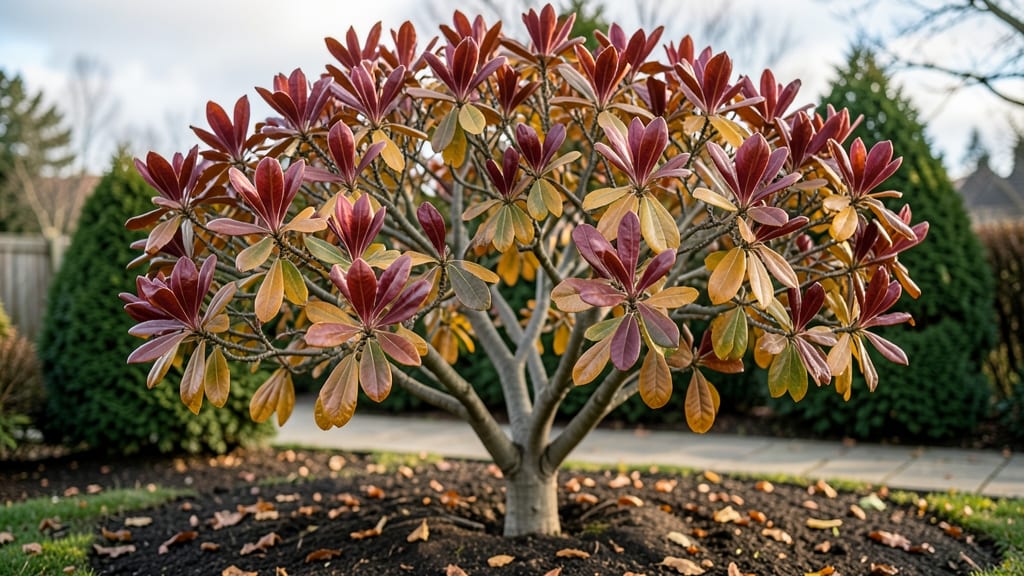
Fall is the perfect time to prune your Jane magnolia tree in fall before winter dormancy sets in. ✨ The glossy evergreen leaves of Magnolia grandiflora 'Jane' stay vibrant year-round, but strategic pruning now ensures even more lush growth—and fewer surprises when spring blooms arrive.
Start by removing any dead, diseased, or crossing branches first, then thin out crowded growth to improve airflow. Jane Magnolias respond well to light shaping, so focus on opening up the canopy for sunlight to reach all those glossy leaves.
A sharp pair of pruners and a clear day are all you need—no fancy tools required.
The result? A tree that looks neat and intentional by winter, with stronger branches ready to support next year’s blooms. Plus, you’ll avoid the shock of sudden winter storms snapping weak limbs. Think of it as a spa day for your magnolia—just in time for the holidays.
This method works for both young trees and mature specimens, though larger ones may need ladder assistance. The key is timing: prune after leaf drop but before hard frosts hit your zone. Your Jane Magnolia will thank you with healthier growth and even more dramatic spring flowers.
📚 In This Guide
- What you need
- Instructions
- Tips and common mistakes
- Wrapping up and next steps
What you need
- ● Pruning shears – Bypass pruners (sharp, 6–8" blades) for clean cuts on small branches.
- ● Loppers – Bypass or anvil type (18–24" handles) for thicker branches (up to 2" diameter).
- ● Pruning saw – Curved-tooth saw for branches thicker than 2" (avoid tearing bark).
- ● Disinfectant – 70% isopropyl alcohol or bleach solution (1 part bleach to 9 parts water) to sterilize tools between cuts.
- ● Gloves – Heavy-duty, cut-resistant (magnolia thorns are no joke!).
- ● Ladder or step stool – Sturdy, 6–10 ft tall (ensure it’s rated for your weight).
- ● Heavy-duty trash bags – 10–20 gallon size for debris disposal.
- ○ Pruning sealant – Optional but helpful (like Tanglefoot Tree Wound Pruning Seal) for large cuts (over ½" diameter).
- ● Work gloves with grip – For extra comfort if your hands get sweaty.
- ● Safety glasses – To protect against debris or sap splashes.
- ● Hose with nozzle – For rinsing tools and cleaning up sap residue.
- ● Marking twine or paint – If you’re planning major structural changes (to visualize cuts).
- ● First-aid kit – Just in case those thorns take a little too much revenge! 🩹
Instructions: pruning your Jane magnolia tree for fall success
Fall is the perfect time to shape your Jane magnolia—here’s how to do it right for healthier growth next season.
🌿 Step 1: Time Your Pruning for Optimal Healing
Prune your Jane magnolia in late fall, after the first hard frost but before mid-December. This timing lets the tree enter dormancy with clean cuts, reducing disease risk. I always check the weather forecast first—wait for a dry, calm day so fresh cuts can heal properly.
Look for yellowing leaves or dropping foliage as your signal. These signs mean the tree is preparing for winter, and its defenses are stronger against pruning stress. Avoid cutting in wet conditions—moisture invites fungal infections that can weaken the tree.
✂️ Step 2: Remove Dead, Diseased, or Crossing Branches
Start by eliminating dead wood—branches that are brittle, cracked, or devoid of leaves. Next, cut out any sick-looking limbs (discolored bark, oozing sap, or fungal growth). Use clean, sharp pruners to make 45-degree cuts just outside the branch collar (the swollen area where the branch meets the trunk).
Watch for crossing or rubbing branches—these create wounds where bark gets damaged. Remove the smaller of the two branches at its base. I like to step back every few cuts to visualize the tree’s shape. Your goal is to improve airflow and sunlight penetration for next spring’s blooms.
☀️ Step 3: Thin the Canopy for Light and Airflow
Selectively thin the outer canopy by removing up to 25% of the smallest branches—focus on those growing inward or upward. This opens the tree’s center, letting sunlight reach the inner branches and encouraging stronger growth. I target branches thinner than ½ inch first, as they’re easier to remove and less impactful.
Look for water sprouts (fast-growing, vertical shoots) and prune them back to a lateral branch. These shoots drain energy from the tree. After thinning, the tree should have an open, vase-like shape with no dense clusters. This structure prevents future pest issues and makes future pruning easier.
🪴 Step 4: Shape for Balance and Future Bloom Sites
Jane magnolias bloom on old wood, so avoid heavy pruning that removes flowering branches. Instead, focus on light shaping—trim just enough to maintain the tree’s natural form. I use hand pruners for branches under ¾ inch thick and loppers for thicker limbs, always cutting back to a bud or branch.
Step back frequently to check balance. The tree’s strongest branches should be on the lower half, with smaller limbs higher up. This creates a sturdy structure that supports next year’s fragrant spring blooms. Avoid over-pruning—Jane magnolias are slow to recover, and aggressive cuts can reduce flowering.
💧 Step 5: Clean Up and Protect the Tree
After pruning, sterilize your tools with rubbing alcohol to prevent spreading disease. Collect and dispose of clippings immediately—don’t leave them under the tree, as they can harbor pests. I also apply a wound sealant (like pruning paste) only to large cuts over 2 inches thick to prevent decay.
Finish by watering the tree deeply to help it recover. Mulch the base with 2-3 inches of organic mulch (like shredded bark) to retain moisture and regulate soil temperature. This final step ensures your Jane magnolia stays healthy through winter and bursts into bloom next spring.
Tips & tricks for perfect Jane magnolia fall trimming
Took me years to figure out these essentials—your Jane magnolia will thank you for it.
Timing is Everything: The late fall window between first frost and mid-December is non-negotiable. I've seen trees stressed when pruned too early (still active growth) or too late (risking winter damage). Check for those telltale yellowing leaves or natural leaf drop—this is your tree's way of saying "I'm ready." If you miss this window, wait until early spring before new growth begins.
Tool Prep Matters: Sterilizing your pruners between cuts (even when removing healthy branches) prevents spreading latent diseases. I keep rubbing alcohol in a small spray bottle by my work area. Also, sharpen your blades before starting—dull tools crush wood fibers, creating larger wounds that heal poorly. For branches over 2 inches thick, switch to your loppers to maintain leverage and control.
Visualize the Final Shape: Step back every 5-10 cuts to assess balance. I imagine the tree's natural vase shape—strong lower branches supporting lighter upper limbs. This isn't about creating a perfect silhouette, but rather ensuring sunlight reaches all parts of the canopy. Think of it like sculpting: each cut should improve the tree's structure without removing too much at once.
Post-Pruning Care: That final 2-3 inches of mulch isn't just decoration—it's insulation. Organic mulch regulates soil temperature and retains moisture, which helps the tree recover from stress. I always water deeply after pruning (about 10 gallons for mature trees) to compensate for the loss of foliage that would normally collect rainwater.
Pro Tips for Jane Magnolia Tree In Fall
- Took me years to figure out these essentials—your Jane magnolia will thank you for it.
- Timing is Everything: The late fall window between first frost and mid-December is non-negotiable.
- Tool Prep Matters: Sterilizing your pruners between cuts (even when removing healthy branches) prevents spreading latent diseases.
Frequently asked questions
Got questions about pruning your Jane Magnolia tree in fall? You’re not alone! Here are the most common concerns—plus expert answers to keep your tree thriving.
When is the exact best time to prune a Jane Magnolia in fall?
The ideal window is late October to early November, after the first hard frost but before winter dormancy sets in. This timing minimizes stress and promotes healthy regrowth. Avoid pruning too early—you’ll risk encouraging tender new growth that won’t survive frost. Pro tip: If your area has unpredictable weather, aim for after the first frost but before snowfall!
Can I prune a Jane Magnolia in winter, or is fall the only option?
Winter pruning (December–February) is possible but riskier. Cold temperatures slow healing, and pruning during dormancy can stress the tree. If you must prune in winter, do it on a mild day above 40°F and avoid heavy cuts. Fall is always the safer bet! For major shaping, stick to the late fall timeline.
How do I know if I’ve pruned too much or too little?
Follow the 1/3 rule: Never remove more than one-third of the tree’s foliage in a single season. Signs of over-pruning include excessive leaf drop, weak new growth, or bare branches. If you’ve cut too much, skip pruning next year and focus on fertilization and watering. For minimal pruning, just remove dead, crossing, or overcrowded branches—no need to go overboard!
Will pruning my Jane Magnolia in fall affect its spring blooms?
Not if done correctly! Pruning in fall won’t harm next year’s flowers—in fact, it can improve them by reducing overcrowding. However, avoid heavy pruning right before the tree blooms (typically late spring). Focus on structural cuts now and light maintenance in late winter if needed. Bonus: Fall pruning also helps prevent pests and diseases that could dull spring blooms!
What should I do if my Jane Magnolia gets pests or disease after pruning?
Act fast! If you spot aphids, scale, or fungal spots (like powdery mildew) after pruning, clean tools with rubbing alcohol and treat with neem oil or horticultural oil. Prune out infested branches immediately and dispose of them in sealed bags. For severe issues, consult a local arborist. Prevention tip: Always sterilize tools before and after pruning to avoid spreading pathogens!
Still unsure? Drop your question in the comments—we’re happy to help your Jane Magnolia shine!
Wrapping up and next steps
As fall paints your garden in fiery hues, your Jane Magnolia tree deserves the same care to shine year-round. Pruning in autumn isn’t just about tidying up—it’s about setting the stage for vibrant blooms and lush foliage.
With the right tools, timing, and technique, you’ll keep your magnolia thriving while minimizing stress on the tree.
Ready to take action? Mark your calendar for early fall (before leaf drop) and grab your pruners—your magnolia’s future beauty starts with one confident cut! 🌿✨