
Blooming
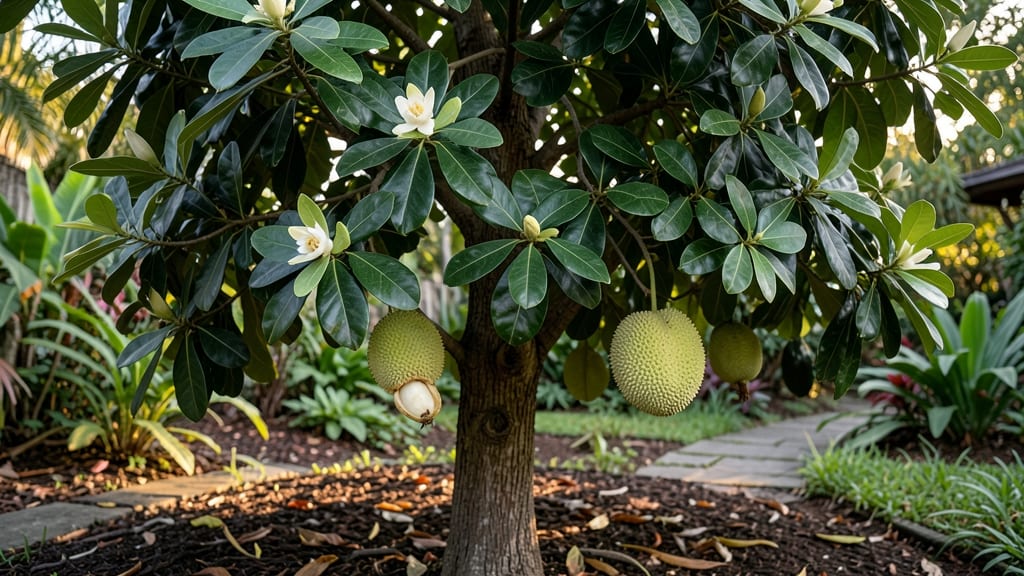
A soursop tree takes 3 to 5 years to bear fruit, though some fast-growing varieties like 'Golden Soursop' can produce earlier with the right care.
If you're dreaming of harvesting sweet, tropical soursop fruit but wondering when your tree will finally bear—you’re not alone. Patience is key, but some varieties and growing conditions can dramatically speed up the process.
Climate plays a huge role: tropical zones like Florida or the Caribbean see faster fruiting, while cooler subtropical areas may need extra warmth and protection to encourage early blooms.
Here’s what you’ll learn: the average timeline for fruiting, how to spot maturity signs, and 5 proven tips to get your soursop tree producing sooner—without sacrificing quality.
Soursop tree fruit timeline: average growth stages & fastest-bearing varieties
Growing a soursop tree (Annona muricata) is a rewarding but patient process. Most gardeners wonder, "How long until my soursop tree bears fruit?" The answer depends on variety, growing conditions, and care.
On average, expect 3 to 5 years for fruiting, but some fast-bearing varieties can produce fruit in as little as 2 years under ideal conditions.
Your soursop tree’s journey begins as a seedling or grafted sapling. The first 12 to 18 months focus on root establishment and trunk growth. During this stage, prioritize well-draining soil, consistent moisture, and full sun to set the foundation for faster fruiting.
Skipping these early steps can delay fruit production by years.
| Growth Stage | Timeframe | Key Milestones | Fastest Varieties |
|---|---|---|---|
| Seedling | 0–12 months | 2–4 ft tall, first leaves emerge | Golden Soursop |
| Juvenile | 1–3 years | Trunk thickens (2–4 inches), first flowers appear | Black Soursop |
| Mature (Fruiting) | 3–5 years | 6+ ft tall, leaf size 6–12 inches, heavy flowering | Golden Soursop (2 years) |
| Peak Production | 5–10 years | Trunk 6+ inches thick, 50+ fruits/year | All varieties |
Fastest fruiting occurs in tropical climates with ideal care.
Identifying a mature soursop tree ready to fruit involves checking three key signs: leaf size, trunk thickness, and flowering patterns. A mature tree typically has leaves 6–12 inches long and a trunk 2+ inches thick.
Look for white, fragrant flowers that appear in clusters—this signals the tree is ready to set fruit within 3–6 months.
Among soursop varieties, Golden Soursop is the fastest to bear fruit, often producing its first harvest in just 2 years under optimal conditions. Black Soursop, while slightly slower (3–4 years), yields larger fruits.
Choose your variety based on your climate and patience level. In cooler subtropical zones, even fast varieties may take an extra year to fruit.
Accelerating fruiting requires proper pollination and nutrient management. Soursop trees are self-pollinating, but hand-pollinating flowers with a small brush can boost fruit set. Use a balanced fertilizer (10-10-10) during flowering to support fruit development. Avoid over-fertilizing with nitrogen, which promotes leafy growth at the expense of fruiting.
One common mistake is assuming a small soursop tree will fruit quickly. Trees under 4 feet tall rarely produce fruit, regardless of age. Focus on trunk thickness and leaf size—these are better indicators of maturity than height alone.
Patience pays off: a well-cared-for tree can live for 50+ years and produce fruit year-round in tropical climates.
If your soursop tree isn’t flowering after 3 years, check for these issues: poor sunlight, compacted soil, or nutrient deficiencies. Move the tree to a sunnier spot and amend the soil with compost and potassium-rich fertilizer.
In subtropical zones, protect young trees from winter chills, which can stunt growth and delay fruiting.
Once your tree starts fruiting, expect harvest season between summer and fall. Fruits ripen 60–90 days after flowering, turning from green to a yellowish-green hue with a sweet aroma at the stem. Harvest by twisting gently—if the fruit doesn’t release easily, it’s not yet ripe.
With the right variety, care, and climate, your soursop tree could bear fruit in as little as 2 years. Track its growth stages closely, and soon you’ll be enjoying homegrown tropical soursop straight from your garden. 🌱
Climate-specific soursop fruit timelines: speeding up harvest in tropical vs. subtropical zones
Your soursop tree (Annona muricata) thrives in warm climates, but the speed of fruiting depends heavily on where you grow it. In tropical zones like Florida or the Caribbean, trees often bear fruit within 3-5 years with ideal conditions.
Meanwhile, in subtropical areas like California or Hawaii, fruiting can take 5-7 years due to cooler winters and less humidity. Understanding these differences helps you adjust care strategies for faster results.
The key factors influencing fruiting time are temperature, humidity, and sunlight exposure. Tropical climates provide consistent warmth and high humidity, which accelerate growth and flowering.
Subtropical zones require extra care—like winter protection and supplemental irrigation—to mimic tropical conditions. Let’s break down how to optimize your tree’s timeline based on your location.
| Climate Zone | Average Time to First Fruit | Key Limiting Factors | Speed-Up Tips |
|---|---|---|---|
| Tropical (e.g., Florida, Caribbean) | 3-5 years | High humidity, year-round warmth | Prune lightly, fertilize monthly with potassium-rich compost |
| Subtropical (e.g., California, Hawaii) | 5-7 years | Cooler winters, lower humidity | Use greenhouse protection in winter, add mulch for warmth |
In tropical climates, soursop trees benefit from year-round growth and rapid flowering. To speed up fruiting, focus on balanced fertilization—use a 5-10-10 NPK blend every 4-6 weeks during active growth.
Prune selectively to encourage airflow and sunlight penetration, which reduces disease risk and boosts fruit production. In these zones, expect your tree to flower within 2-3 years if cared for properly.
Subtropical growers face unique challenges like winter dormancy and lower humidity. To compensate, protect your tree from frost with burlap wraps or move potted trees indoors during cold snaps. Increase humidity around the tree with a mist system or nearby water feature.
In these areas, flowering often occurs in spring, so fertilize heavily in early spring to support bud formation.
Regardless of your climate, consistent watering is critical. Tropical trees need deep watering every 2-3 days, while subtropical trees may require daily watering in summer and reduced frequency in winter.
Always water at the base of the tree to avoid fungal issues. Monitor soil moisture with your finger—it should feel damp but not soggy.
For faster fruiting, consider grafting fast-bearing varieties like 'Golden Soursop' onto a mature rootstock. This can cut fruiting time by 1-2 years by combining the vigor of the rootstock with the fruiting potential of the grafted variety.
Pair this with hand pollination if your area lacks natural pollinators, using a small brush to transfer pollen between flowers.
With the right adjustments, you can harvest your first soursop fruits in as little as 3 years, even in subtropical zones. The key is understanding your local climate’s limitations and compensating with targeted care.
Start with soil prep—amend with organic matter and ensure good drainage—and watch your tree thrive toward that sweet, creamy harvest! 🌿